Which Window Covering Does Your Home Actually Need?
The summer solstice sounds lovely in theory: sunset after 8 PM, kids playing outside after dinner, long lazy evenings on the porch. But then 5 AM rolls around, and the sun is already blazing through your bedroom windows before your alarm even has a chance.
Sound familiar?
For many households across the U.S., summer doesn't just bring heat. It brings disrupted sleep, cranky mornings, and living rooms that feel more like greenhouses than comfortable spaces to relax. The good news is that the fix is simpler than you might think, and it starts with your windows.
Whether you're considering light-filtering shades, blackout drapery, or some combination of both, understanding the difference between the two is the first step toward a home that stays comfortable, functional, and sleep-friendly all season long.
Light-Filtering Shades vs. Blackout Draperies: What's the Actual Difference?
This is the question most homeowners start with, and it's a good one. These two categories of window treatments serve very different purposes, and mixing them up (or choosing the wrong one for a given room) is one of the most common mistakes people make when updating their windows.
Light-Filtering Shades Are Soft, Diffused, and Beautifully Practical
Light-filtering shades are designed to soften incoming sunlight rather than block it entirely. Think of them as a diffuser for your windows; they reduce glare, cut down on harsh direct light, and create a warm, even glow throughout a room without making it feel dark or closed off.
These shades are ideal for:
- Living rooms and family rooms where you want natural light without eye strain on screens
- Dining areas where ambiance matters but you don't want to feel like you're eating in a cave
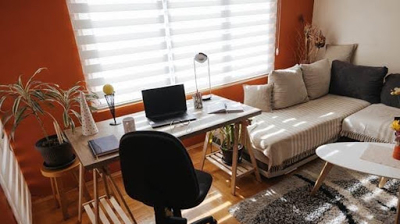
- Home offices where you need visibility and comfort without the glare that causes headaches during video calls
- Kitchens where brightness is welcome, but harsh afternoon sun can make the space uncomfortably hot
Light-filtering options range from very sheer (letting in a lot of light) to semi-opaque (letting in some light while offering more privacy). This is where personalization becomes really important, because the “right” amount of light varies from home to home and room to room.
Blackout Draperies Offer Total Darkness and Total Control
Blackout draperies do exactly what their name suggests: block out light almost completely. High-quality blackout window coverings use tightly woven or layered fabrics (sometimes with a special lining) that prevent virtually all outside light from entering a room.
These are the go-to choice for:
- Bedrooms where sleep quality is the priority, especially during summer
- Nurseries and kids' rooms where consistent sleep schedules matter
- Home theaters or media rooms where screen visibility is key
- Night workers' bedrooms where sleeping during daytime hours is a necessity
Beyond sleep, blackout draperies also offer a secondary benefit that's especially relevant in summer: thermal insulation. By blocking direct sunlight from heating a room, they can help keep interior temperatures lower, reducing strain on your AC and potentially lowering energy bills.
The Room-by-Room Breakdown: What Goes Where?
One of the most practical ways to approach this decision is to think about each room in your home individually. Light levels, privacy needs, and aesthetic goals are all different depending on where you are in the house.
Master Bedroom
This is where blackout draperies earn their keep most consistently. Adults who are sleeping in a bedroom that's bright by 5 or 6 a.m. in summer will almost always see a noticeable improvement in sleep quality once true blackout coverage is in place.
For a polished look, many homeowners pair blackout draperies with a sheer or light-filtering shade underneath, giving you full flexibility. During the day, you can raise the draperies and lower the sheer for soft, filtered light. At night, both layers close for complete darkness.
Kids' Rooms and Nurseries
If you've ever tried to get a toddler to go down for the night when the sun is still up at 7 p.m., you already know the dilemma, and the answer: blackout draperies, without question. Children and infants are especially sensitive to light, and a properly darkened room can mean the difference between a peaceful evening, and a consistently wakening toddler.
Look for custom window coverings that fit your window frame precisely. Gaps around the edges of a poorly fitted shade or drapery can let in more light than you'd expect.
Living Room
This is where light-filtering shades really shine (no pun intended). Most people want their living rooms to feel open and bright during the day, and a high-quality light-filtering shade gives you that airy feel while reducing glare and UV exposure, helping protect your furniture and floors from fading over time.
Home Offices and Commercial Spaces
Computer screen glare is a real productivity killer. Light-filtering shades are typically the right call for home offices, giving you enough natural light to feel energized and focused while eliminating the harsh reflections that come with direct sun exposure.
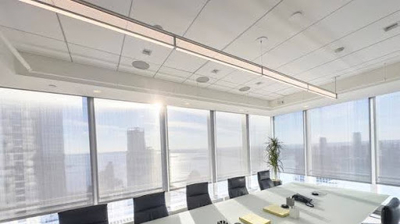
For commercial spaces, upgrading to custom shades is equally essential for minimizing glare across multiple workstations while preserving views to the outside and a professional aesthetic. Planning this upgrade ahead of the summer rush ensures your facility, team, and retail merchandise are fully protected before peak UV exposure.
Dining Room
Here, it really depends on your style and how much light the room gets. Light-filtering shades are a popular and practical choice. If your dining space doubles as an entertainment area where you watch movies or sports, you might want the option to go darker. In this case, layering a light shade with a heavier panel gives you flexibility.
Let Us Help You Create Custom Window Treatments that Fit Your Lifestyle
There's no single right answer between light-filtering shades and blackout draperies. The right answer depends on the room, its direction, how it's used, and who's sleeping in it. But understanding how each option works puts you in a much better position to make choices that actually improve how your home functions day to day.
With the summer solstice approaching, now is a genuinely good time to take a hard look at your windows (especially your bedrooms) and ask whether your current treatments are really doing the job.